


Manual Butterfly Valve
What Is Manual Butterfly Valve?
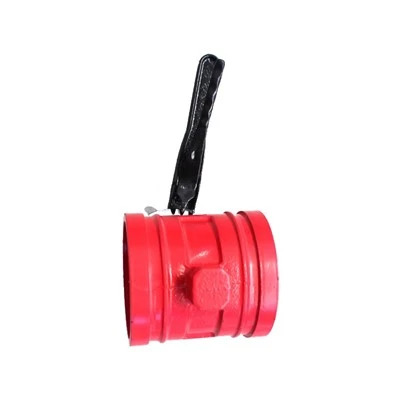
A manual butterfly valve is a type of valve that is operated manually using a lever or hand wheel. The valve is designed with a disc that rotates around a central axis to control the flow of fluid through pipes or tubes. When the handle or wheel is turned, the disc rotates to open or close the valve, allowing the user to control the flow of fluids. Manual butterfly valves are commonly used in industrial applications such as oil and gas, chemical processing, and water treatment.
Advantages of Manual Butterfly Valve
Cost-effective
Manual butterfly valves are relatively affordable compared to other types of valves, making them an ideal choice for many industries where cost is a significant concern.
Easy installation
Manual butterfly valves are easy to install, and their simple design makes them less prone to installation errors. This feature helps to reduce installation and maintenance costs.
Space-saving
Manual butterfly valves are compact and have a smaller footprint than other types of valves. They occupy less space, making them ideal for installations with limited space.
Easy to operate
Manual butterfly valves are easy to operate and require minimal effort to open or close. The disc rotates at 90 degrees, providing quick and accurate control over flow rates.


Why Choose Us?
High quality
Our products are manufactured or executed to very high standards, using the finest materials and manufacturing processes.
24h online service
We try and respond to all concerns within 24 hours and our teams are always at your disposal in case of any emergencies.
Quality control
We have professional personnel to monitor the production process, inspect the products and ensure that the final product meets the required quality level standards, guidelines and specifications.
Rich experience
Dedicated to strict quality control and attentive customer service, our experienced staff is always available to discuss your requirements and ensure complete customer satisfaction.
Wafer butterfly valve
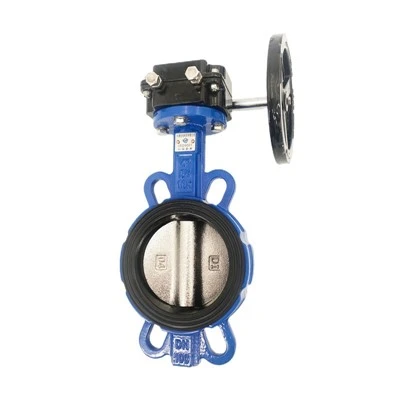
This type of valve is compact and lightweight, making it ideal for applications where space is limited. The wafer butterfly valve’s design allows it to fit between two flanges, making it ideal for a wide range of industrial applications.
Lug butterfly valve
The lug butterfly valve provides a fast and easy method of installation. It has two lugs that allow for simple and easy mounting without needing to remove the entire valve from a pipeline.
Double flanged butterfly valve
This type of valve provides increased strength and stability compared to the wafer and lug butterfly valves. It is an excellent choice for applications that require high pressure and temperature resistance.
High-performance butterfly valve
This valve is designed for high pressure and high-temperature applications where a standard butterfly valve is not suitable. This type of valve has a thicker disc that helps it handle higher pressures and temperatures.
Eccentric butterfly valve
This valve is designed to reduce wear and tear on the valve seat and disc, making it more reliable. The offset stem and disc of the eccentric butterfly valve allow it to create a cam-like action that lifts the disc away from the valve seat, reducing friction during the opening and closing process.
Center line butterfly valve
The center line butterfly valve is designed to reduce friction and wear on the valve seat and disc. The stem is located in the center line of the valve, ensuring that the disc remains centered and prevents any unnecessary wear.
Material of Manual Butterfly Valve
Manual butterfly valves can be made from a variety of materials depending on the specific application and the medium flowing through the valve. Some common materials of construction for manual butterfly valves include stainless steel, carbon steel, ductile iron, aluminum, pvc, and cpvc. Stainless steel and carbon steel are typically used for high-pressure and high-temperature applications, while pvc and cpvc are often used for lower pressure and temperature applications such as water treatment and chemical processing. Ductile iron and aluminum are also commonly used for industrial applications where corrosion resistance is a concern.

Industrial processes
Manual butterfly valves are extensively used in chemical, petrochemical, and oil and gas industries for controlling the flow of fluids in pipelines, tanks, and reactors. They are also used in wastewater treatment plants, power generation plants, and food processing plants.
HVAC systems
Manual butterfly valves are used in heating, ventilation, and air conditioning (hvac) systems for regulating the flow of water and air. They are particularly useful for controlling the flow of hot and cold water in heating and cooling systems.
Marine applications
Manual butterfly valves are used in marine applications for controlling the flow of seawater, fuel, and other fluids. They are commonly found in ballast systems, bilge pumps, and fire suppression systems.
Agriculture
Manual butterfly valves are used in agricultural applications for controlling the flow of water and other fluids in irrigation systems, animal feed systems, and grain storage facilities.
Fire protection systems
Manual butterfly valves are used in fire protection systems for controlling the flow of water and other extinguishing agents. They are essential for ensuring that water is delivered to the correct areas in the event of a fire.
Open the valve
To open the manual butterfly valve, the operator needs to rotate the valve handle in a clockwise direction. This will cause the disc to turn, and the fluid will start flowing through the valve. The degree of opening of the valve can be adjusted by the operator by rotating the handle more or less.
Close the valve
To close the manual butterfly valve, the operator needs to rotate the valve handle in a counterclockwise direction. This will cause the disc to turn, and it will block the flow of the fluid. The degree of closing of the valve can also be adjusted by the operator by rotating the handle more or less.
Adjust the flow rate
The operator can adjust the flow rate of the fluid by adjusting the degree of opening or closing of the manual butterfly valve. If the valve is fully open, the flow rate will be at its maximum, and if the valve is fully closed, the flow rate will be zero.
Install the valve
Before installing the manual butterfly valve, the operator needs to inspect the valve and ensure that it is free from any defects. Then, the valve needs to be installed in the pipeline and secured in place. The operator needs to ensure that the valve is securely fastened to prevent any leaks.
Maintain the valve
To ensure that the manual butterfly valve operates efficiently, the operator needs to perform regular maintenance. This includes inspecting the valve periodically for any signs of wear and tear, and replacing any worn out or damaged parts.

Body
The body of the manual butterfly valve is the outer casing that houses all the internal components. It is usually made of durable materials such as cast iron, stainless steel, or carbon steel.
Disc
The disc is the main component that controls the flow of fluid or gas through the valve. It is circular in shape and is positioned in the center of the valve body. When the valve is open, the disc rotates to allow fluid or gas to flow through the pipeline. When the valve is closed, the disc rotates to block the flow of fluid or gas.
Stem
The stem is a long metal rod that connects the handle to the disc. When the handle is turned, it rotates the stem, which in turn rotates the disc to open or close the valve.
Seat
The seat is a ring-shaped component that is located around the edge of the valve body. When the disc is in the closed position, it presses against the seat to create a tight seal that prevents fluid or gas from leaking through the valve.
Bolts
Bolts are used to attach the valve body to the pipeline. They are usually made of stainless steel or carbon steel and are tightened to create a tight seal between the valve and the pipeline.
O-ring
The o-ring is a rubber component that is located between the disc and the stem. It creates a tight seal around the stem, preventing fluid or gas from leaking through the valve.
Handle
The handle is the component that the operator turns to open or close the valve. It is usually located at the top of the valve body and can be turned clockwise or counterclockwise to operate the valve.
Maintenance of Manual Butterfly Valve


Inspect the valve regularly
The first step in maintaining manual butterfly valves is to inspect them regularly. Check for any signs of wear, corrosion, or damage to the valve body, disc, stem, and seat. Ensure that the valve is properly aligned with the piping system and check for any leakage at the flange connections. If you notice any issues, address them promptly to prevent further damage.
Clean the valve
Remove any debris, dirt, or residues from the valve body and disc. Use a soft brush, cloth, or sponge to wipe the surfaces of the valve. If needed, you can use a mild detergent solution to clean the valve, but avoid using harsh chemicals that can damage the valve components.
Lubricate the valve
Apply a thin layer of lubricant to the stem and seat to ensure smooth operation of the valve. Choose a lubricant that is compatible with the valve materials and the fluid passing through the valve. Avoid over-lubricating the valve as excess lubricant can attract dust and debris, leading to clogging or fouling of the valve.
Adjust the valve
If the valve is not closing or opening properly, you may need to adjust the position of the disc or the stem. Refer to the manufacturer's instructions for the proper adjustment procedure. Avoid forcing the valve to close or open as this can damage the valve and create a safety hazard.
Replace worn or damaged parts
If you notice any signs of wear, corrosion, or damage to the valve components, replace them promptly. Check the manufacturer's specifications for the recommended parts and procedures for replacement. Use only high-quality replacement parts that meet the industry standards and ensure proper functioning of the valve.
Precautions of Manual Butterfly Valve
Installation precautions
The proper installation of the valve is essential to ensure its smooth operation. Make sure the valve is installed in the correct orientation as per the manufacturer's instructions. Check that the valve's position indicator matches the valve's position before installation. Verify that the valve is compatible with the fluid handled and the operating conditions.
Operating precautions
Do not exceed the maximum pressure and temperature limits specified by the manufacturer. Overloading the valve can cause the seal to fail, leading to leakages. Avoid using excessive force while operating the valve. Do not use the valve to regulate flow as it is designed for on-off applications only. Avoid closing or opening the valve too quickly, as this can cause water hammer, which can damage the valve and the pipeline.
Maintenance precautions
Regular maintenance of the valve is essential to ensure its proper functioning. Check the valve for any signs of wear, damage, or corrosion. Lubricate the valve periodically with the recommended lubricant. Avoid using different types of lubricants as it may cause damage to the valve. Clean the valve and pipeline periodically to avoid the accumulation of dirt, debris, or sediments.
Safety precautions
Always wear personal protective equipment such as gloves, goggles, and respiratory protection while handling the valve. If the valve needs to be serviced, ensure that it is depressurized and isolated from the pipeline. If the valve is hot, allow it to cool down before handling it. Do not attempt to repair the valve unless you are trained and authorized to do so.
How to Choose Manual Butterfly Valve
Material of construction
The material of construction of the valve should be compatible with the fluid or gas being carried. For instance, if the fluid is highly corrosive, it would be appropriate to choose a butterfly valve made of materials such as stainless steel, hastelloy or teflon-lined.
Size of the valve
Selecting the correct size of the valve is crucial to ensure that it can handle the required flow of fluid or gas through the system. Different sizes have different cv values, which determine the flow rate of the fluid or gas.
Pressure rating
The pressure rating of the valve should match the operating pressure of the system to ensure that the valve can handle the pressure without any damage or leakage.
Type of sealing system
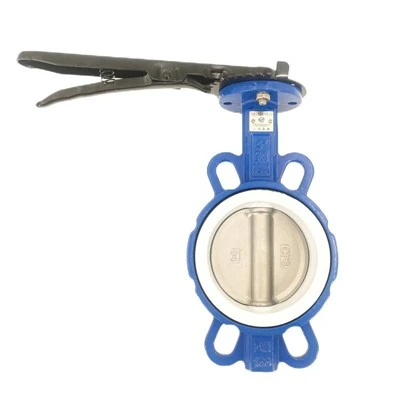
Manual butterfly valves can have either a resilient seat or a metal seat. Resilient seats are suitable for moderate pressures and temperatures, while metal seats are more suited for higher pressures and temperatures. The choice of seat type should depend on the specific application requirements.
Handle type
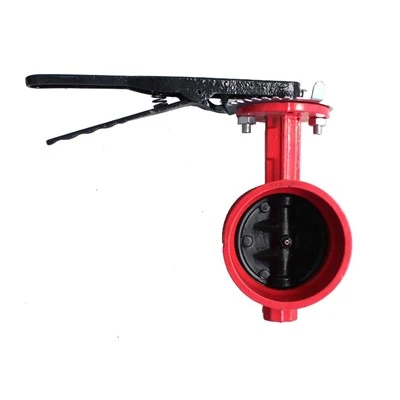
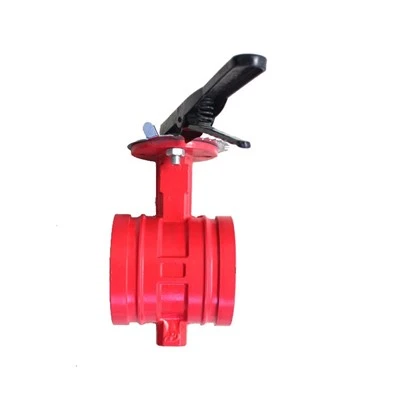
Manual butterfly valves can come with various handle types such as lever, gear, or volute. Lever handles are suitable for applications with smaller valves, while gear handles are used for larger valves. Volute handles are used for applications that require the valve to be locked in position.
Operating temperature
The operating temperature of the fluid or gas being carried is important in determining the type of valve to use. Different materials have different temperature limitations that must be taken into consideration to avoid valve failure due to thermal expansion and contraction.
Prepare the materials
Before installing the manual butterfly valve, ensure that you have all the necessary tools and components. This includes the manual butterfly valve, the mounting hardware, and any necessary adhesive or fasteners. Additionally, check that the valve will be installed in a suitable location and that the pipe or fittings to be connected are accessible.
Locate the installation area
Identify the location where the manual butterfly valve will be installed, and make sure that the area is clean and free from debris. If the manual butterfly valve is being installed in a pipe, make sure that the pipe is clean and free from any obstructions or blockages.
Assemble the manual butterfly valve
Assemble the manual butterfly valve by aligning the valve body, the bonnet, and the seats. Screw the bonnet onto the valve body, and make sure that the bonnet is securely attached. Align the seats of the valve body, and insert the pipe or fittings into the valve body.
Install the manual butterfly valve
Install the manual butterfly valve by aligning it with the pipe or fittings, and positioning it in the desired location. Apply pressure to the manual butterfly valve to seat the seats and ensure that the valve is properly positioned. Use the necessary adhesive or fasteners to secure the manual butterfly valve in place, and make sure that the valve is level and plumb.
Working Principle Manual Butterfly Valve
The working principle of a manual butterfly valve is based on the use of a handle or lever to control the opening and closing of the valve. The manual butterfly valve is a type of valve that uses a small, movable disc, called a butterfly, to regulate the flow of fluid through a pipe or system.The valve body is a cylindrical shell that houses the valve mechanism, and the handle or lever is a rod that extends from the valve body to a handle or lever. When the handle or lever is turned, it rotates the disc inside the valve, causing the seats inside the valve to open or close. The seats are designed to provide a tight seal between the disc and the valve body, ensuring that the valve operates smoothly and effectively regulates the flow of fluid.
Certifications


Our Factory
The company occupies a total area of more than 3,000 square meters. There are more than 50 employees, and all kinds of excellent large and medium-sized main production equipment as well as main inspection and testing equipment and instruments.


FAQ