


Gate Valve
What Is Gate Valve?
A gate valve is a type of valve that controls the flow of liquid or gas by using a gate or wedge-like disc to prevent or allow the passage of the fluid. Gate valves are commonly used in industries such as oil and gas, mining, and water treatment, where large volumes of liquid or gas need to be controlled. They are typically designed to be fully open or fully closed with no in-between position, and are often used in high pressure and high temperature applications.
Advantages of Gate Valve
Full bore
One of the main advantages of gate valves is that they have a full bore, which means that the internal diameter of the valve matches the diameter of the pipeline. This ensures that there is no constraint in the flow of the fluid, thereby reducing turbulence and pressure drop. In other words, gate valves offer minimal resistance to flow.
Low pressure drop
Gate valves have a very low pressure drop, which means that they do not cause a significant decrease in pressure as the fluid passes through them. This is important in applications where it is necessary to maintain a certain pressure level, such as in pipelines that are transporting oil or gas.
Tight shut-off
Gate valves offer a tight shut-off, which means that they can completely stop the flow of fluid in the pipeline. This is important in applications where it is necessary to isolate a section of the pipeline to perform maintenance or repairs.
Easy to operate
Gate valves are easy to operate and do not require a lot of force to open or close. They are operated by turning a handle or a wheel, which moves the gate up or down. This makes them a popular choice in applications where manual operation is required.


Why Choose Us?
High quality
Our products are manufactured or executed to very high standards, using the finest materials and manufacturing processes.
24h online service
We try and respond to all concerns within 24 hours and our teams are always at your disposal in case of any emergencies.
Quality control
We have professional personnel to monitor the production process, inspect the products and ensure that the final product meets the required quality level standards, guidelines and specifications.
Rich experience
Dedicated to strict quality control and attentive customer service, our experienced staff is always available to discuss your requirements and ensure complete customer satisfaction.
Rising stem gate valve
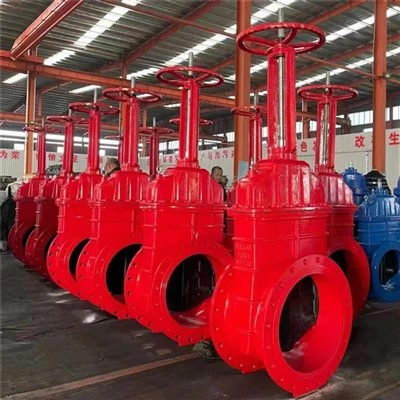
This type of valve has a valve stem that moves up or down when the valve is operated. This movement is visible, so it is easy to tell whether the valve is open or closed. This type of valve is commonly used in industries such as water treatment, oil and gas, and manufacturing.
Non-rising stem gate valve
This type of valve has a valve stem that does not move up or down when the valve is operated. Instead, the stem rotates to open or close the valve. Non-rising stem valves are commonly used in underground applications where the valve is not easily accessible.
Solid wedge gate valve
This type of valve has a solid gate that is designed to fit tightly between the valve seats to prevent leaks. Solid wedge gate valves are commonly used in high-pressure applications and in industries such as oil and gas, petrochemicals, and power generation.
Flexible wedge gate valve
This type of valve has a gate that is designed to flex slightly to ensure a tight seal between the valve seats. Flexible wedge gate valves are commonly used in applications where the valve seats are not perfectly aligned.
Material of Gate Valve
Gate valves are primarily made of various metals such as cast iron, carbon steel, stainless steel, and bronze. These materials provide the necessary strength, durability, and corrosion resistance required for the application of gate valves. In addition to metals, gate valves might also include materials such as rubber, plastic, or ceramic, depending on the specific needs of the application.

Oil and gas industry
Gate valves are used extensively in the oil and gas industry for their ability to handle high pressure and high temperature fluids. They are commonly used in pipelines, refineries, and oil rigs. Gate valves are preferred over other types of valves because of their superior sealing capabilities, which is essential for preventing leakage in hazardous and high-pressure environments.
Water treatment plants
Gate valves are used in water treatment plants to control the flow of water through pipelines. They are also used in sewage treatment plants to control the flow of wastewater. The gate valves used in water treatment plants are often made from materials that are resistant to corrosion and erosion.
Power generation
Gate valves are used in power generation facilities such as nuclear power plants, thermal power plants, and hydroelectric power plants. They are used to control the flow of water, steam, and other gases and liquids through the various systems that generate electricity.
Chemical industry
Gate valves are used in chemical processing plants for their ability to handle corrosive and abrasive chemicals. They provide a reliable and safe way to control the flow of these materials through pipelines, reactors, and other processing equipment.
Preparation
Before starting the valve installation process, all the necessary equipment and tools must be prepared. This includes the valve, bolts, nuts, gaskets, stem, and actuator if required. The valve should be checked for any damage or defects.
Mounting the valve
The valve is then mounted on the pipeline and secured with bolts and nuts. The gaskets are placed between the valve and pipeline flanges to ensure a tight seal. The torque values for the bolts and nuts are checked to ensure that they are tightened properly.
Testing
After mounting the valve, it is tested to ensure that it functions properly. This involves opening and closing the valve to check its movement and ensuring that it is not stuck or jammed.
Actuation
If the valve is fixed with an actuator, it is set up during this step. The actuator can be manual, pneumatic, or electrically operated. The actuator is connected to the stem of the valve, which controls the movement of the gate.
Lubrication
The valve is then lubricated to ensure smooth operation. This involves applying lubricant to the stem and other moving parts of the valve.
Final testing
The valve is then tested again to ensure that it is functioning correctly. The valve's opening and closing cycles are tested using the actuator to ensure that they are smooth and that no obstruction or jamming occurs.
Commissioning
Finally, the valve is commissioned and put into operation. The valve should be regularly inspected, cleaned, and lubricated to ensure its proper functioning and prevent any potential failures.
Components of Gate Valve
Body
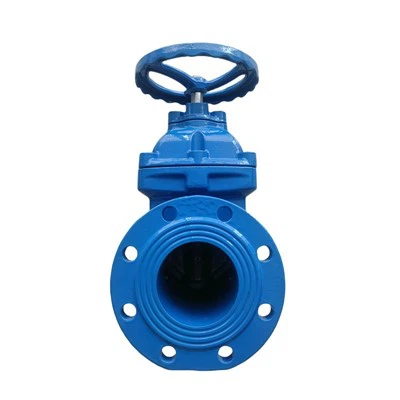
The body of a gate valve is the main part of the valve. It is the outer casing that contains all the other parts of the valve. The body is usually made of cast iron, bronze, or stainless steel. It is designed to withstand high pressures and temperatures and is usually bolted or flanged to the pipeline.
Bonnet
The bonnet is the cover that is placed on top of the body to enclose the valve stem and the packing gland. The bonnet is usually bolted to the body and can be removed to access the valve stem. The bonnet is also designed to withstand high pressures and temperatures.
Valve stem
The valve stem is the rod that connects the gate to the actuator. The valve stem is usually made of stainless steel and is threaded at the bottom to connect to the gate. The top of the valve stem extends through the bonnet to connect to the actuator.
Gate
The gate is the part of the valve that controls the flow of fluid. The gate is usually made of cast iron or steel and is designed to fit snugly within the body of the valve. The gate is usually wedge-shaped and can be raised or lowered to control the flow of fluid.
Seat
The seat is the part of the valve that provides a seal between the gate and the body of the valve. The seat is usually made of a resilient material such as rubber or Teflon. The seat is designed to provide a tight seal when the gate is in the closed position.
Actuator
The actuator is the mechanism that is used to raise or lower the gate. There are two types of actuators that are commonly used with gate valves: manual and automated. Manual actuators are usually hand-operated wheels or levers, while automated actuators are usually electric or hydraulic motors.
Maintenance of Gate Valve



Check for leaks
Regularly inspect the valve body, gland, and stem for any signs of leaks. A leak can cause the valve to malfunction and lead to more significant problems. If you notice any leaks, tighten the valve packing or replace it if necessary.
Lubricate the valve
Gate valves have mating surfaces that need to be lubricated regularly. Apply lubricant to the stem and packing gland to ensure that the valve opens and closes smoothly. Avoid over-lubricating, as this can cause the valve to be overly tight or result in packing blowouts.
Clean components
Dirt and debris can build up on valve components over time, causing them to malfunction. Clean the valve body, gate, and stem regularly to remove any dirt or debris that accumulated. Use a non-abrasive cleaner that will not damage the valve.
Test the valve
A valve that fails to open or close properly can cause fluids or gases to leak, resulting in damage or injury. Regularly test the valve to ensure that it operates correctly. Open and close the valve several times and listen for any unusual sounds.
Ensure proper installation
Gates valves must be installed correctly for them to function correctly. Follow the manufacturer's instructions and ensure that the valve is installed in the correct orientation. Improper installation can cause the valve to fail or result in leaks.
Proper installation
Gate valves should be installed and aligned properly to ensure optimum performance. The valve should be installed in a vertical position if possible to prevent the accumulation of dirt or debris inside the valve. Also, the valve should be placed in a location that is easy to access for maintenance or repair.
Selection of the right valve
Choosing the right type of gate valve for a particular application is crucial. The material, size, pressure rating, and other specifications must be taken into consideration to ensure proper performance and long service life. Using an improperly sized or rated valve can lead to premature failure or leakage.
Regular maintenance
Regular maintenance and inspection are necessary to ensure proper operation and extend the service life of the valve. The valve should be inspected periodically for signs of wear, corrosion, and damage to the sealing surfaces. The packing and gland bolts should be checked and adjusted as needed.
Avoid excessive force
Applying excessive force when operating a gate valve can cause damage to the valve or its components. The valve should be operated smoothly and slowly to prevent damage to the valve stem, gate, or seat.
Proper lubrication
Proper lubrication of the gate valve components is important to prevent wear and reduce friction. The lubricant should be applied at regular intervals as recommended by the manufacturer.
Avoid over-tightening
Over-tightening the valve packing or gland bolts can cause damage to the valve stem and its packing. The packing should be tightened just enough to prevent leakage, but not so tight that it causes excessive friction or damage.
Secure the valve
The valve should be secured properly to prevent it from shifting or moving during operation. Improperly secured valves can cause damage to pipes or other components and can result in excessive stress on the valve.
How to Install Gate Valve
Prepare the materials
Before installing the gate valve, make sure to have all the necessary tools and materials. This includes the gate valve itself, the mounting hardware, and any necessary adhesive or fasteners. It's important to check the manufacturer's recommendations for specific tools and materials, as they may vary by type and brand of gate valve.
Locate the installation area
Identify the location where the gate valve will be installed, and make sure that the area is clean and free from debris. If the gate valve is being installed in a pipe, make sure that the pipe is clean and free from any obstructions or blockages.
Assemble the gate valve
Assemble the gate valve by aligning the valve body, the bonnet, and the seats. Screw the bonnet onto the valve body, and make sure that the bonnet is securely attached. Align the seats of the valve body, and insert the pipe or fittings into the valve body.
Install the gate valve
Install the gate valve by aligning it with the pipe or fittings, and positioning it in the desired location. Apply pressure to the gate valve to seat the seats and ensure that the valve is properly positioned. Use the necessary adhesive or fasteners to secure the gate valve in place, and make sure that the valve is level and plumb.
Working Principle Gate Valve
The working principle of a gate valve refers to the mechanism through which it regulates the flow of fluid. It typically consists of a valve body, a handle, a seat, and a pipe or fittings. The valve body is a cylindrical shell that houses the valve mechanism, and the handle is a wedge-shaped component that is used to open and close the valve. The seat is a rubber or metal ring that sits inside the valve body and forms a seal between the valve body and the pipe or fittings.
Certifications


Our Factory
The company occupies a total area of more than 3,000 square meters. There are more than 50 employees, and all kinds of excellent large and medium-sized main production equipment as well as main inspection and testing equipment and instruments.


