


Pneumatic Butterfly Valve
What Is Pneumatic Butterfly Valve?
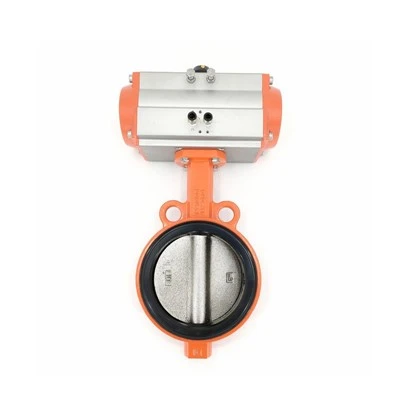
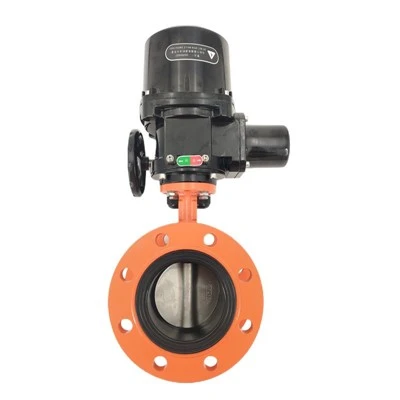
A pneumatic butterfly valve is a type of valve that utilizes air pressure to control the flow of fluids through a pipe or tube. It consists of a disc or plate that rotates around a central axis to control the amount of fluid that passes through the valve. The valve is typically operated through a pneumatic actuator that opens or closes the valve based on changes in air pressure.
Advantages of Pneumatic Butterfly Valve
Quick and easy operation
Pneumatic butterfly valves can be quickly and easily opened or closed with the simple turn of a handle or push of a button. This makes them ideal for applications where fast response times are critical, such as in emergency situations.
Low maintenance
With fewer parts than most other valve types, pneumatic butterfly valves require less maintenance and are less likely to fail. They are also less susceptible to wear and tear, corrosion, and leakage.
Simple design
Pneumatic butterfly valves have a simple design, making them easy to install and integrate into existing systems. They also take up less space than other types of valves, making them ideal for applications where space is limited.
Limit switch options
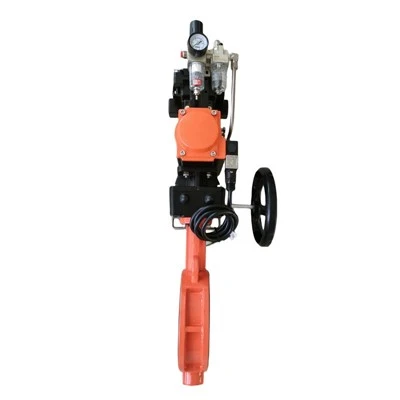
Pneumatic butterfly valves can be equipped with limit switches that provide feedback regarding valve position, allowing for better process control and automation.


Why Choose Us?
High quality
Our products are manufactured or executed to very high standards, using the finest materials and manufacturing processes.
24h online service
We try and respond to all concerns within 24 hours and our teams are always at your disposal in case of any emergencies.
Quality control
We have professional personnel to monitor the production process, inspect the products and ensure that the final product meets the required quality level standards, guidelines and specifications.
Rich experience
Dedicated to strict quality control and attentive customer service, our experienced staff is always available to discuss your requirements and ensure complete customer satisfaction.
Wafer-style butterfly valve
The Wafer Butterfly Valve is sandwiched between two flanges, and none of the bolts on the flange will thread into the valve body itself. Wafer butterfly valves provide a low-cost solution for isolation.
There are several options of wafer-style valves, the most common are AWWA C504, API609, and high performance. The wafer style allows for a compact design, making it ideal for applications with limited space.
A wafer-style valve can be a zero, single, double, or triple offset butterfly valve. Among these options, the zero offset valve is the most commonly used and the least expensive. These valves are typically resilient seated, but the double and triple offset valves can be metal seated valves.
Most resilient seated valves can have replaceable seats, but some do not, so make sure you are aware of what type you’re getting as there are benefits to both.
Lug-style butterfly valve
The lug butterfly valve has lugs on the body of the valve, allowing for direct mounting to the pipe without the use of flanges. The counter flange bolts will thread right into the lug-style butterfly valve. Lug butterfly valves provide a low-cost solution for isolation.
There are several options for lug-style valves, and the most common are API609 and high performance. The lug style allows for a compact design, making it ideal for applications with limited space.
A lug-style valve can be a zero, single, double or triple offset butterfly valve, with the zero offset valve being the most commonly used and least expensive. These valves are typically resilient seated, but the double and triple offset valves can be metal seated valves.
If there is a metal seat on your valve, check and see if it’s replaceable and what it takes as far as service to ensure a long life with your valve.
Double Flange Butterfly Valve
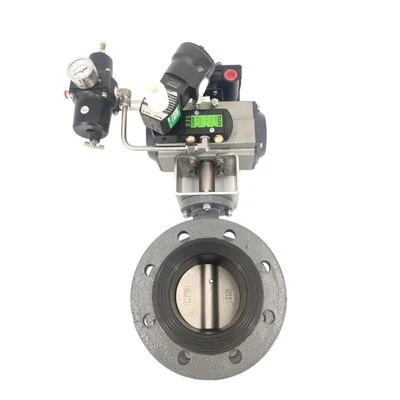
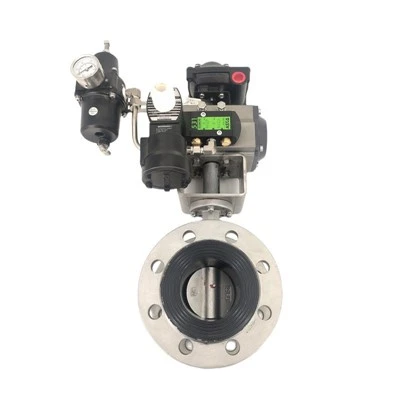
The double flange butterfly valve has two flanges on the body of the valve, providing increased stability and security in high-pressure applications.
A flanged-style valve can be a zero, single, double, or triple offset butterfly valve. The zero and single offset are the most commonly used and least expensive.
Flanged valves are typically resilient seated. Most resilient seated valves in the flanged world are non-replaceable seats. This means if the valve begins to leak, you will be replacing the whole valve. The double flange refers to the connection to the pipe more than anything else.
This type of butterfly valve is ideal for applications where a tight seal is required, such as water treatment plants or chemical processing facilities.
Industrial Style High Performance Butterfly Valve
This type of butterfly valve is designed for demanding applications and offers superior flow control. High-performance butterfly valves often have a metal-to-metal seat design and are often used in applications where a tight shutoff is required, such as power plants or pipelines carrying hazardous materials.
One advantage of using this type of butterfly valve is that its seat will outlast a standard resilient seated butterfly valve. Additionally, low torques make these valves easy to operate and extend the life of the actuator.
Notably, tight shut-off is the main reason why users choose an industrial style high-performance butterfly valve. Typically, these valves are made of either carbon steel or stainless steel, which improves their shut-off capabilities.
Waterworks Double Eccentric Butterfly Valve
The double eccentric butterfly valve is designed with an offset shaft and disc, providing improved sealing and reduced torque compared to other types of butterfly valves. This type of butterfly valve is often used in applications where a tight shutoff is required and low torque is necessary, such as water pipelines.
Double offset valves have been the standard valve around the world EXCEPT for the U.S. and Canada. Why this is the case is a question we have asked for years.
The double offset butterfly valve does not have issues with compression or seat set on the resilient seat. It has a double overlay weld on the body seat and typically comes with a non-wetted disc hub, among other features.
When we quote our DEX valves in Mexico, Colombia, and Puerto Rico, and the specification is for double offset valves, we scratch our heads wondering why the U.S. is so behind on the technology of butterfly valves. Although double eccentric butterfly valves cost more money, their long-term cost savings are well worth the extra upfront cost.
Material of Pneumatic Butterfly Valve
The material used for pneumatic butterfly valves varies according to the specific application. Generally, butterfly valve bodies are made of cast iron, ductile iron, carbon steel, stainless steel or plastic. The seat and disc sealing materials may include epdm, nbr, ptfe, metal or combinations of these materials. The choice of material is influenced by factors such as temperature, pressure, media, corrosive environment and hygiene requirements.
Application of Pneumatic Butterfly Valve
Chemical industries
Pneumatic butterfly valves are widely used in chemical industries to control the flow of chemicals and solvents. In these applications, the valves are used to prevent the chemicals from leaking or flowing in the wrong direction, which can cause serious problems such as contamination or accidents.

Pharmaceutical industries
Pneumatic butterfly valves are also used in pharmaceutical industries to control the flow of fluids and gases in various processes. In these applications, the valves are used to maintain strict sanitary conditions and to prevent any contamination of the products.
Food and beverage industries
Pneumatic butterfly valves are widely used in food and beverage industries to control the flow of fluids in different processes such as mixing, packaging, and cleaning. These valves are designed to meet the strict sanitary standards required in these industries.

HVAC industries
Pneumatic butterfly valves are used in hvac (heating, ventilation, and air conditioning) systems to regulate the flow of air and water. In these applications, the valves are used to control the temperature and humidity levels in different zones of the building.
Water treatment plants
Pneumatic butterfly valves are used in water treatment plants to control the flow of water and chemicals in various processes such as filtration, disinfection, and sedimentation. These valves are designed to withstand corrosive environments and to ensure reliable operation.
Oil and gas industries
Pneumatic butterfly valves are used in oil and gas industries to control the flow of fluids and gases in various processes such as drilling, refining, and transportation. These valves are designed to withstand high pressures and temperatures and to ensure safe and reliable operation.

Opening the valve
To open the valve, the actuator receives a signal from the control system, which then applies air pressure to the cylinder. The cylinder converts this pressure into linear motion, which pushes against the valve stem, causing the disc to rotate in the clockwise direction, and thus the valve is opened.
Regulating the flow
Once the valve is open, it regulates the flow by controlling the angle of the disc. The disc can be rotated up to 90 degrees to either fully open or fully close the valve, or any position in between to allow regulated flow.
Directing the flow
The disc of the valve can be designed to direct the flow of the fluid through the pipeline. For instance, the disc can be shaped to ensure that the flow is directed from one side of the valve to the other, reducing turbulence and minimizing the impact of the flow on the pipeline.
Closing the valve
To close the valve, the pneumatic actuator receives another signal which then reduces the air pressure in the cylinder. The spring inside the actuator pushes the valve stem back into its original position, causing the disc to rotate in the counterclockwise direction, thus closing the valve.
Monitoring
In addition to regulating the flow of the fluid, the valve can also provide feedback to the control system about the process conditions. For example, it can indicate the position of the valve, the pressure within the pipeline, and the temperature.
Components of Pneumatic Butterfly Valve
Body
The body of the valve is the outer casing that houses the other components. It is usually made of cast iron, stainless steel, or plastic, depending on the application.
Disc
The disc is the flat, circular component that regulates the flow of fluids, gases, and slurries. It is typically made of metal or synthetic materials such as ptfe or epdm.
Stem
The stem is the component that connects the disc to the actuator. It controls the movement of the disc, and it can be designed for various operating conditions, such as high pressure or high temperature.
Actuator
The actuator is the component of the valve that controls the opening and closing of the disc. It is typically powered by compressed air or gas and can be operated remotely or manually.
Seals
The seals are the components that prevent leakage around the valve. They are typically made of rubber or other elastomers and are designed to withstand the specific fluid or gas flowing through the valve.
Bearings
Bearings are the components that support the stem and the disc and allow them to rotate smoothly. They are usually made of metal or plastic and are designed for low friction to reduce wear and tear.
Maintenance of Pneumatic Butterfly Valve
Check the valve seats regularly
The valve seats are responsible for sealing the valve and preventing leakage. If the valve seats become damaged or worn, leaks can occur. Regularly checking the valve seats for wear and tear is important to prevent leaks.
Lubricate the valve
Lubricating the pneumatic butterfly valve helps to prevent corrosion and reduces the wear and tear of the moving parts. Use a high-quality lubricant that is compatible with the valve's material.
Inspect the actuator
The actuator is responsible for opening and closing the valve. Regularly inspect the actuator for any signs of damage or wear. Ensure that the actuator is functioning correctly by testing its operation regularly.
Clean the valve body
It is important to clean the valve body regularly to prevent buildup of sediment or debris. Use a mild detergent and water to clean the valve body.
Check the air supply
The air supply is essential for the operation of the pneumatic butterfly valve. Ensure that the air supply is clean and dry, and that the pressure is within the recommended range.
Test the valve
It is important to perform regular tests on the pneumatic butterfly valve to ensure that it is functioning correctly. Test the valve at least once a year to ensure that it is operating properly.
Installation
It is essential to ensure that the valve is installed correctly. The valve should be installed in a clean and dry environment and should not be exposed to extreme temperatures, sunlight, or corrosive/foul gases.
Operating environment
The operating environment should be free from any obstructions, debris, or any other material that can hamper the smooth operation of the valve. Additionally, the valves should not be subjected to high pressure, sudden changes in pressure, or high flow rates, as this can damage the valve.
Regular maintenance
Regular maintenance of the valve is essential for its smooth operation and long lifespan. The valve should be cleaned and lubricated periodically, and any worn-out or damaged parts should be replaced promptly.
Safety gear
Always ensure that operators wear appropriate safety gear while handling and operating the valve. This can include gloves, eye/ear protection, and respiratory masks to prevent any injury or exposure to hazardous particles.
Emergency shutdown
The valve should be equipped with an emergency shutdown mechanism, which can be activated in case of any malfunction or emergency. This mechanism ensures that the valve closes automatically, preventing any damage to the system.
Valve size and type
The first thing you need to do is determine the size and type of butterfly valve you need. Consider the flow rate, pressure, and temperature of the media you are handling, as well as the pipe size and connection type. Butterfly valves come in a variety of sizes, ranging from a few inches to several feet in diameter. The most common types of butterfly valves are wafer, lug, and flanged.
Material
Choose a valve material that is compatible with the media you will be handling. Common materials include stainless steel, carbon steel, cast iron, and plastic. Factors such as temperature, pressure, and chemical composition of the media can affect the material choice.
Valve actuator
A pneumatic actuator is one of the most popular options for butterfly valves. It uses compressed air to open and close the valve, making it ideal for automated processes. Consider the size and type of actuator needed to ensure proper valve operation. Actuators are available in various sizes, ranging from small to large, and they can be double-acting or spring-return.
Torque requirements
The torque required to open and close the valve is another critical consideration. Make sure you select a valve with enough torque to handle the required pressure and flow rate. Having insufficient torque can lead to the valve not fully closing, resulting in leakage, while excess torque can cause mechanical damage to the valve or actuator.
Certification and compliance
Check that the valve complies with relevant industry standards, such as the american petroleum institute (api) or the international standards organization (iso). Look for certification marks to ensure the valve meets these standards and can handle the specific media and conditions it will be used in.
Maintenance and repair
Choose a valve that is easy to maintain and repair. The valve should have simple, accessible parts that can be easily replaced in case of damage or wear. If possible, look for valves that have long service life and require minimal maintenance.
How to Install Pneumatic Butterfly Valve
Prepare the materials
Before installing the pneumatic butterfly valve, make sure to have all the necessary tools and materials. This includes the pneumatic butterfly valve, the mounting hardware, and any necessary adhesive or fasteners. It's important to check the manufacturer's recommendations for specific tools and materials, as they may vary by type and brand of pneumatic butterfly valve.
Locate the installation area
Identify the location where the pneumatic butterfly valve will be installed, and make sure that the area is clean and free from debris. If the pneumatic butterfly valve is being installed in a pipe, make sure that the pipe is clean and free from any obstructions or blockages.
Assemble the pneumatic butterfly valve
Assemble the pneumatic butterfly valve by aligning the valve body, the bonnet, and the seats. Screw the bonnet onto the valve body, and make sure that the bonnet is securely attached. Align the seats of the valve body, and insert the pipe or fittings into the valve body.
Install the pneumatic butterfly valve
Install the pneumatic butterfly valve by aligning it with the pipe or fittings, and positioning it in the desired location. Apply pressure to the pneumatic butterfly valve to seat the seats and ensure that the valve is properly positioned. Use the necessary adhesive or fasteners to secure the pneumatic butterfly valve in place, and make sure that the valve is level and plumb.
Working Principle Pneumatic Butterfly Valve
The pneumatic butterfly valve is a manually operated valve that uses a pneumatic actuator to control the flow of fluid through a pipe or system. It typically consists of a valve body, a handle, a bonnet, and a pneumatic actuator.The valve body is a cylindrical shell that houses the valve mechanism, and the handle is a wedge-shaped component that is used to open and close the valve. The bonnet is a sleeve-like component that sits over the valve body and forms a seal between the valve body and the pipe or fittings. The pneumatic actuator is a cylindrical component that is attached to the valve body and contains a piston that is activated by compressed air.
Certifications


Our Factory
The company occupies a total area of more than 3,000 square meters. There are more than 50 employees, and all kinds of excellent large and medium-sized main production equipment as well as main inspection and testing equipment and instruments.


