


Motorized Butterfly Valve
What Is Motorized Butterfly Valve?
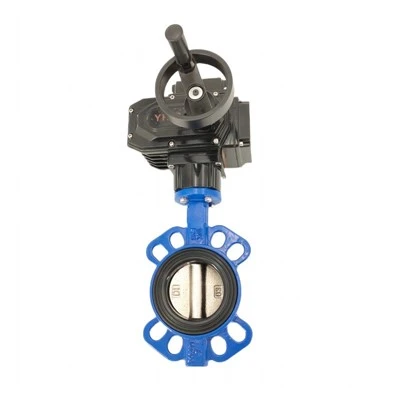
A motorized butterfly valve is a type of valve that uses a butterfly-shaped disc to control the flow of fluid through a pipeline. It is operated with an electric motor, allowing for precise control over the opening and closing of the valve. The disc is positioned perpendicular to the flow of fluid when the valve is open, and parallel to it when the valve is closed. Motorized butterfly valves are commonly used in industrial applications where large volumes of fluids need to be controlled efficiently, such as in water treatment plants and hvac systems.
Advantages of Motorized Butterfly Valve
Ease of operation
Motorized butterfly valves are very easy to operate. They can be controlled remotely using electrical or pneumatic signals, thus allowing users to adjust the valve position from a distance.
Enhanced process control
Motorized butterfly valves can be integrated into automated systems that provide precise control over the flow of fluids. This ensures that the process is consistent and the products are of high quality.
Fewer leaks
The motorized operation of the valve eliminates the need for manual adjustments, which can often result in leaks due to operator errors. This, in turn, leads to reduced maintenance costs and improves the reliability of the valve.
Cost-Effective
Motorized butterfly valves offer a cost-effective solution for process flow control, as they require minimal maintenance, have a long service life, and provide reliable operation.



Why Choose Us?
High quality
Our products are manufactured or executed to very high standards, using the finest materials and manufacturing processes.
24h online service
We try and respond to all concerns within 24 hours and our teams are always at your disposal in case of any emergencies.
Quality control
We have professional personnel to monitor the production process, inspect the products and ensure that the final product meets the required quality level standards, guidelines and specifications.
Rich experience
Dedicated to strict quality control and attentive customer service, our experienced staff is always available to discuss your requirements and ensure complete customer satisfaction.
Electric actuated butterfly valve
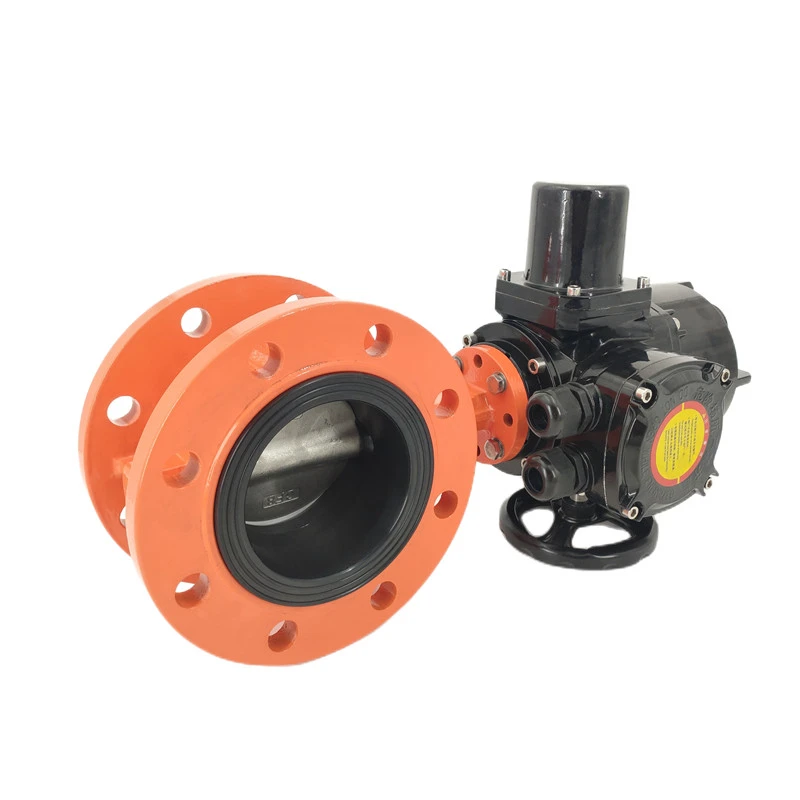
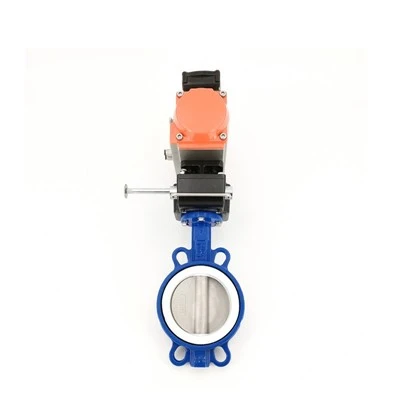
Electric actuated butterfly valves are designed to provide accurate and efficient regulation of flow. These valves use an electric motor to operate the valve disc, which is positioned between two flanges. These butterfly valves are commonly used in chemical, pharmaceutical, water treatment, and hvac applications.
Hydraulic actuated butterfly valve
Hydraulic actuated butterfly valves are used in applications where high-pressure fluids need to be controlled. These butterfly valves use hydraulic pressure to operate the valve disc, which is positioned between two flanges. The valve's hydraulic actuator provides fast and accurate control of flow, making it ideal for use in oil and gas, chemical, and power generation industries.
Pneumatic actuated butterfly valve
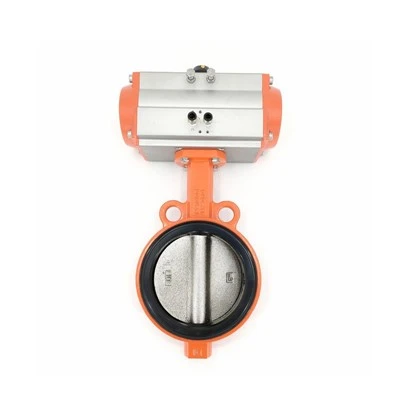
Pneumatic actuated butterfly valves are designed to provide reliable and fast control of flow. These valves use compressed air to operate the valve disc, which is positioned between two flanges. Pneumatic actuated butterfly valves are commonly used in chemical, pharmaceutical, food and beverage, water treatment, and hvac applications.
Gear operated butterfly valve
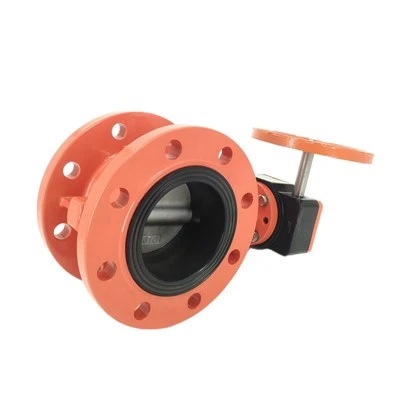
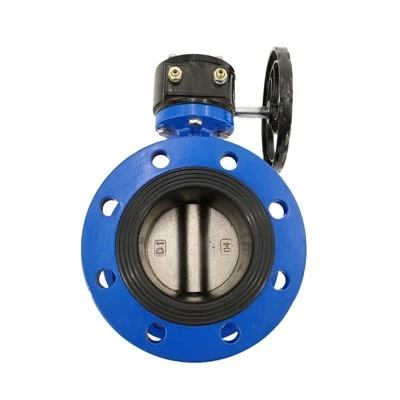
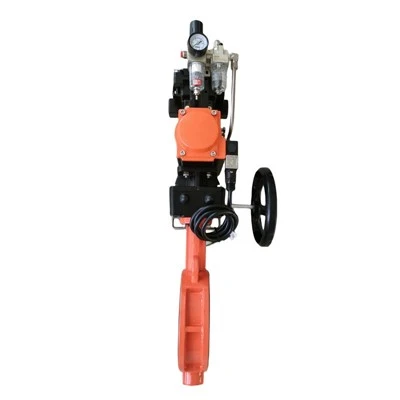
Gear operated butterfly valves are designed for applications where high-torque is required to operate the valve. These valves use a gear mechanism to operate the valve disc, which is positioned between two flanges. Gear operated butterfly valves are commonly used in chemical, oil and gas, and power generation industries.
Material of Motorized Butterfly Valve
The material of motorized butterfly valves can vary depending on the specific application. The body and disc of the valve can be made from stainless steel, carbon steel, iron, or other alloys based on the required chemical resistance and temperature range. The seat of the valve is typically made from elastomers such as epdm, buna-n, or viton to provide a tight seal. The actuator, which is responsible for opening and closing the valve, can be made from aluminum, stainless steel, or cast iron.
Application of Motorized Butterfly Valve


Water treatment plants
In water treatment plants, motorized butterfly valves are used for different purposes such as controlling the flow of water, regulating the pressure, and maintaining the quality of water. These valves are also used for flow control in irrigation systems, swimming pools, and other water-related applications.
Chemical and petrochemical plants
Motorized butterfly valves are used in chemical and petrochemical plants to control the flow of chemical and petroleum products. They are also used to regulate the pressure, temperature, and flow rate of chemical products, which helps maintain the safety and efficiency of the plant.
Oil and gas refineries
Motorized butterfly valves play a critical role in oil and gas refineries. They are used to control the flow of different gases, fluids, and chemicals, which helps maintain the balance of pressure and temperature in the system. These valves are also used in pipelines to regulate the flow of crude oil, natural gas, and other hydrocarbon products.
Food processing plants
Motorized butterfly valves are used in food processing plants to control the flow of different fluids and gases, including water, air, and steam. These valves help maintain the quality and safety of food products by regulating the temperature and pressure of different cooking or processing stages.
HVAC systems
Motorized butterfly valves are used in hvac systems to regulate the flow of air, water, and refrigerant in the system. These valves help maintain the temperature, humidity, and air supply of different parts of the building, which improves the overall comfort and energy efficiency of the system.
Process of Motorized Butterfly Valve
Selection of valve components
The first step is to select the various components that will make up the valve. This includes the valve body, disc, stem, actuator, and accessories such as limit switches, solenoid valves, and positioners. These components must be compatible with each other and designed to meet the specific requirements of the application.
Design and manufacture of the valve body
The valve body is typically made of cast iron, cast steel, or stainless steel. The design of the valve body is critical as it determines the size and shape of the flow channel, which impacts the flow rate and pressure characteristics of the valve. The valve body is manufactured using casting or machining techniques.
Assembly of the valve components
Once all the components have been selected and manufactured, they are assembled together. The disc is attached to the stem, which is connected to the actuator. The accessories are installed and wired to the actuator, which is then mounted onto the valve body.
Calibration and testing
Before the valve can be put into service, it must be calibrated and tested to ensure that it functions correctly. The actuator is programmed to operate within the specified control range and the valve is tested for leaks, proper flow rate, and pressure drop.
Installation and commissioning
Once the valve has been tested and calibrated, it can be installed and commissioned. The valve is typically installed between two flanges in the pipeline and connected to the control system. The control system is configured and tested to ensure that the valve operates correctly and meets the requirements of the application.
Components of Motorized Butterfly Valve
Valve body
The valve body is the main component of the butterfly valve, and it is responsible for housing all the other components. It typically has a circular shape and is made of materials such as cast iron, stainless steel, or carbon steel.
Disc
The disc is the component that controls the flow of fluid through the valve body. It is a flat circular plate that is attached to a shaft. When the shaft rotates, the disc rotates with it, opening or closing the valve.
Stem seal
The stem seal is a seal located at the top of the valve body where the shaft enters. It prevents fluid from leaking out of the valve body along the shaft.
Flange
The flange is the component that is used to connect the valve to the pipeline. It is typically made of the same material as the valve body and is designed to withstand the pressure and temperature of the fluid flowing through the pipeline.
Seals
Seals are used to ensure a tight seal between the valve body and disc to prevent leaks. They are usually made of rubber or synthetic materials and are located around the perimeter of the disc.
Bearings
The bearings provide support to the shaft and disc, allowing them to rotate smoothly. They are typically made of bronze or stainless steel and are mounted on the valve body.
Actuator
The actuator is the component that provides the rotational force necessary to open or close the valve. It can be powered by electricity, air, or hydraulic pressure.
Shaft
The shaft is the component that connects the disc to the actuator. It is usually made of stainless steel or carbon steel and is designed to withstand the high torque generated by the actuator.
Maintenance of Motorized Butterfly Valve
Lubrication
Check the valve's lubrication regularly. The disc and shaft need to be lubricated to prevent corrosion and ensure proper movement. Use the appropriate lubricant as recommended by the manufacturer.
Cleaning
Keep the valve clean by removing any dirt, debris, or buildup that accumulates on the disc or inside the pipe. This can be done by wiping the valve clean or using a cleaning solution.
Inspection
Inspect the valve regularly to identify any signs of wear and tear, such as cracks or corrosion. Also, check the alignment of the disc to ensure proper closure, and that the valve is not leaking.
Tightening
Check the bolts and nuts that connect the valve to the pipe and ensure that they are tightened to the recommended torque. Loose bolts can cause the valve to malfunction, leading to leaks or damage.
Calibration
Calibrate the valve regularly to ensure that it opens and closes properly. The calibration settings will vary depending on the application, so consult the manufacturer's guidelines.
Motor maintenance
Maintain the motor that controls the valve by checking its wiring, brushes, and bearings. Replace any damaged parts and ensure that the motor is working properly.
Proper installation
One of the most important precautions of motorized butterfly valves is proper installation. It is crucial to make sure that the valve is installed properly and in accordance with the manufacturer’s instructions. Improper installation can lead to leaks, jamming or even sudden failure of the valve, which can cause serious problems in an industrial process. Therefore, it is important to ensure that the valve is installed by a qualified professional.
Regular maintenance
Another important precaution is regular maintenance. Motorized butterfly valves should be inspected and maintained on a regular basis to ensure that they are working properly. This includes inspecting the valve body, disk, stem, seals and bearings for any signs of wear or damage. If any issues are identified, they should be addressed immediately before they cause further damage or lead to valve failure.
Proper adjustment
Motorized butterfly valves must be adjusted properly to ensure that they are working accurately and efficiently. Incorrect adjustments can cause the valve to malfunction or fail. It is important to make sure that the valve is adjusted according to the manufacturer’s guidelines and that it is regularly checked to ensure that it remains properly adjusted.
Temperature and pressure limits
Motorized butterfly valves have specific temperature and pressure limits that they can handle. It is important to make sure that the valve is designed for the specific temperature and pressure of the fluid or gas it is being used to control. Using a valve outside of its temperature or pressure limits can cause it to fail, which can be dangerous for workers and equipment.
Proper safety equipment
When working with motorized butterfly valves, proper safety equipment should always be used. This includes gloves, goggles and protective clothing. This will protect workers from injury in case of an accident.
How to Choose Motorized Butterfly Valve

Valve size and type
The first step in selecting a motorized butterfly valve is to determine the size and type of valve that you require. The size of the valve should be determined by the flow rate that needs to be controlled or regulated. The type of valve should be selected based on the application requirements such as the type of fluid, temperature range, and pressure rating.
Actuator type
The next factor to consider is the type of actuator that will be used to control the valve. There are three main types of actuators – electric, pneumatic, and hydraulic. The choice of actuator will depend on the application requirements such as the speed and torque required for actuation, power source availability, and the environment in which the valve will operate.
Customization options
Another important factor to consider is the customization options available with the motorized butterfly valve. Depending on the application requirements, you may need to customize the valve with features such as a failsafe mechanism, position feedback, and speed control. It is important to consider what customization options are available and how they will impact the performance and cost of the valve.
Material construction
The material construction of the valve is also an important consideration. The material should be chosen based on the type of fluid that will be flowing through the valve and the temperature and pressure requirements. Common materials used in the construction of motorized butterfly valves include stainless steel, carbon steel, and pvc.
How to Install Motorized Butterfly Valve
Prepare the materials
Before installing the motorized butterfly valve, make sure to have all the necessary tools and materials. This includes the motorized butterfly valve, the mounting hardware, and any necessary adhesive or fasteners. It's important to check the manufacturer's recommendations for specific tools and materials, as they may vary by type and brand of motorized butterfly valve.
Locate the installation area
Identify the location where the motorized butterfly valve will be installed, and make sure that the area is clean and free from debris. If the motorized butterfly valve is being installed in a pipe, make sure that the pipe is clean and free from any obstructions or blockages.
Assemble the motorized butterfly valve
Assemble the motorized butterfly valve by aligning the valve body, the bonnet, and the seats. Screw the bonnet onto the valve body, and make sure that the bonnet is securely attached. Align the seats of the valve body, and insert the pipe or fittings into the valve body.
Install the motorized butterfly valve
Install the motorized butterfly valve by aligning it with the pipe or fittings, and positioning it in the desired location. Apply pressure to the motorized butterfly valve to seat the seats and ensure that the valve is properly positioned. Use the necessary adhesive or fasteners to secure the motorized butterfly valve in place, and make sure that the valve is level and plumb.
Working Principle Motorized Butterfly Valve
The working principle of a motorized butterfly valve is based on the use of an electric motor to power the opening and closing of the valve. The motorized butterfly valve is a type of automatic valve that uses electrical signals to control the flow of fluid through a pipe or system. It typically consists of a valve body, a motor, a gearbox, and a drive shaft.The valve body is a cylindrical shell that houses the valve mechanism, and the motor is a small electric motor that is mounted inside the valve body. The gearbox is a set of gears that connects the motor to the valve mechanism, and the drive shaft is a rod that extends from the motor to the valve mechanism.
Certifications


Our Factory
The company occupies a total area of more than 3,000 square meters. There are more than 50 employees, and all kinds of excellent large and medium-sized main production equipment as well as main inspection and testing equipment and instruments.


