


Manual Knife Gate Valve
Your Professional Stainless Butterfly Valve Supplier!
Tianjin Liangfa Technology Co., Ltd. is located in Tianjin City, which enjoys the reputation of "China' s hometown of butterfly valves". It is a large-scale valve manufacturing company integrating R&D, production and sales.
Why Choose Us
Strict Production Control
Our products are manufactured to very high standards. The products have passed ISO9001: 2000 international quality management system certification, ISO 14001: 2004 environmental management system certification, and GB/T 28001-2001 occupational health and safety management system certification.
Full Support
Possess all kinds of excellent large and medium-sized main production equipment and main inspection and testing equipment and instruments. To ensure that you don't have any concerns, we offer comprehensive technical services including pre-sales, manufacturing, and post-sales care.
Rich experience
Deeply plowing the valve industry for more than 20 years, we are dedicated to strict quality control and attentive customer service, our experienced staff is always available to discuss your requirements and ensure complete customer satisfaction.
Wide Product Range
Our company provides an extensive selection of valve products. Our product includes butterfly valves, high-temperature and high-pressure valves, gate valves, check valves, globe valves, regulating valves, ball valves, water supply and drainage valves, marine valves, API valves, and more, addressing various fluid flow control needs.

Wedge gate valves are widely used in various industries due to their excellent sealing performance and ease of operation. These valves have a wedge-shaped disc that is lowered to block the flow of fluid, making them an ideal choice for applications that require a tight seal.
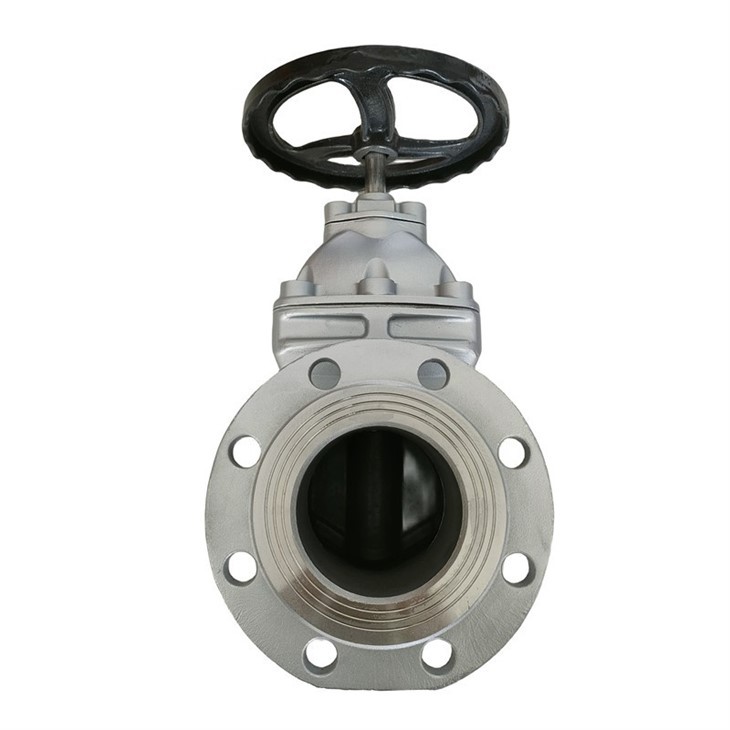
Ci sluice valve is a highly efficient valve used for controlling the flow of fluids through pipelines. It is a reliable and durable valve that can withstand high pressure and temperature. The valve is designed with advanced technology to ensure efficient performance and minimal maintenance.

Rubber gate valves are an excellent choice for industrial applications where durability, reliability, and cost-effectiveness are key considerations. These valves are designed to provide excellent flow control capabilities while also offering low maintenance requirements and long service life.

Ductile iron sluice valve is a highly durable and versatile valve that is commonly used in various types of industrial and commercial settings. This type of valve is known for its excellent resistance to corrosion, mechanical shock and wear and tear, making it a popular choice among engineers and contractors for a variety of applications.

Double flanged gate valves are widely used in various industries such as oil and gas, water treatment, and chemical processing industries. These valves are highly efficient in controlling the flow of liquids through pipelines. They are designed to withstand high pressure and extreme temperatures, making them ideal for a range of industrial applications.

Rubber wedge gate valves are a vital component in various industries due to their reliable and efficient performance. Featuring a rubber wedge-shaped gate that is compressed against a valve seat for sealing purposes, these valves offer precise control over the flow of fluids, gases, and other materials.

Motor Actuated Butterfly Valve
A motor actuated butterfly valve is an important piece of equipment that is used in many industries, including oil and gas, chemical, and pharmaceutical. This type of valve is designed to regulate the flow of fluids in a pipeline, and it works by using a disc that rotates around a central axis to control the flow of the fluid. The valve is actuated by an electric motor, which means that it can be controlled remotely and with precision.

The disc of a butterfly check valve is circular in shape and rotates around the axis of the valve seat channel. Due to the streamlined channel inside the valve, the flow resistance is smaller than that of a rising butterfly check valve. It is suitable for large diameter applications with low flow rates and infrequent flow changes, but it is not suitable for pulsating flow, as its sealing performance is not as good as that of a rising and falling type.

The structural diagram of butterfly check valves is very simple, and compared to other check valves, their structural length is also very short. Butterfly check valve, also known as butterfly check valve, is connected in a wafer style. The valve plate consists of two semicircular butterfly plates, which are connected by the valve stem and forcibly reset by springs.
The manual knife gate valve is a type of valve that plays a critical role in process control and fluid management applications. The valve gets its name from the shape of its closure mechanism, which resembles a knife. It is designed to handle viscous, abrasive, and corrosive fluids, making it one of the most versatile valve options available.
Working Theory of Knife Gate Valve
All valves are designed to limit or stop the movement of a liquid in a flow stream but there is a myriad of designs and applications that depend on the specific use case. Therefore, there is a slight difference between a gate valve and a knife gate valve in construction. In a typical wedge gate valve, as the name implies, the wedge serves as a "gate" to move into the flow stream and seal off or reduce the flow by impeding the path. A knife gate valve is a specific design of a valve that uses a knife edge that can enter the flow stream and, if necessary, use the edge of the gate to separate any materials that might prevent the valve from sealing completely.
Advantages of Manual Knife Gate Valve
Simple Structure: The design of the manual knife gate valve is relatively simple and mainly consists of a valve body, a valve plate and a transmission device, which makes its installation, maintenance and operation very convenient. Users can easily control the opening and closing of the valve through manual operation.
Good Sealing: The manual knife gate valve has excellent sealing performance, which is mainly due to its metal or elastic material sealing gasket. These gaskets can effectively prevent media leakage and ensure good sealing of the valve, thereby improving equipment operating efficiency.
Strong Wear Resistance: The sealing surfaces of the knife plate and base of the manual knife gate valve are usually made of hard materials, allowing them to adapt to media with high-speed flow, high viscosity and particulate matter. This wear-resistant design can extend the service life of the valve and reduce the frequency of maintenance and replacement.
Flexible Control: The valve plate of the manual knife gate valve moves quickly and can be opened and closed quickly. This makes it perform well in situations where frequent flow adjustments are required, providing flexible control capabilities.
Difference Between Knife Gate Valve and Common Gate Valve
Both the wedge type gate valves and the knife gate valves are primarily designed for on-off services where the valve is completely opened or completely closed. It is not recommended to use neither of these to regulate flow because when fluid pushes against a partially closed gate, vibration occurs, and cavitation will eventually damage the seat and the body. Also, both valve types are designed to open and close slowly in order to reduce the risk of water hammer.
One of the differences between the gate and the knife gate valves, is that the knife gate valve often has a sharpened disc to better cut through slurry/viscous media. Also, the knife gate valve has a short face-to-face length compared to a gate valve, which is dimensionally wider. As a consequence, a knife gate valve is light weighted compared to a gate valve. These are the main differences and probably two of the biggest advantages of the knife gate valve.
Knife gate valves are typically found in wastewater treatment plants, chemical plants, mining, cement plants as well as in many other industrial applications while gate valves are typically found in drinking water mains, distribution networks and drinking water pump stations.
Body: The valve body is the main part of the manual knife gate valve, usually made of cast iron, carbon steel or stainless steel. It is responsible for containing the medium and providing a supporting structure while ensuring the strength and sealing performance of the valve. There are channels designed inside the valve body to allow the medium to pass through.
Valve plate (gate): The valve plate is a key component of the manual knife gate valve and is responsible for cutting off or regulating the flow of the medium. The valve plate is usually made of wear-resistant and corrosion-resistant materials, such as stainless steel or carbide. It has a sharp blade that can effectively cut off particles and fibers in the media.
Transmission device: The transmission device of the manual knife gate valve is a key part of operating the valve plate. It usually consists of handles, connecting rods, gears and other mechanisms, allowing operators to open or close the valve through manual operation. The design of the transmission device should ensure flexible and reliable operation and adaptability to various working environments.
Seals: In order to ensure the sealing performance of the valve, manual knife gate valves are also equipped with seals, such as sealing washers or O-rings. These seals are usually made of elastic materials and can fit tightly to the valve plate and valve seat to prevent media leakage.
Fasteners and connectors: Manual knife gate valves also include fasteners and connectors, such as bolts, nuts, flanges, etc. These components are used to connect the valve with pipelines or other equipment to ensure stable installation and operation of the valve.
Application of Manual Knife Gate Valve
Mines and power plants: In mines and power plants, manual knife gate valves are often used in coal preparation, gangue discharge, slag discharge and other processes to effectively cut off and regulate the flow of media to ensure the stable operation of the process.
Sewage treatment plants: The media in sewage treatment plants often contain a large amount of suspended matter and particulate matter. The manual knife gate valve can reliably cut off these media, prevent leakage and blockage, and ensure the smooth progress of the treatment process.
Food and paper industry: In the food and paper production process, the medium may contain fibers, particles and other substances. Manual knife gate valves can easily handle these media and achieve reliable cutting and control of the medium.
Note: Knife gate valves should only be used for applications requiring a completely open or completely closed position and should not be used to regulate flow unless they are designed for it. Whenever fluid is forced against a partially closed gate, there will be a vibration, gradually eroding the disc and seat. In addition, the knife gate valves are designed to slowly open and close to safeguard against the impacts of water hammer.
Precaution of Manual Knife Gate Valve
Closure Tips: Always ensure complete closure-possibly the most important recommendation. Close the valve while the media is flowing and not after the pump/flow is shut down. This avoids incomplete closure due to any sedimentation/settlement obstructing gate movement; also, it allows for a self-cleaning action of the seating areas as the fluid flows at high velocity when the valve is nearing full closure. Avoid laying pipeline that can create low-lying, stagnant sections near the valve; on vertical pipelines, flow should be ideally upwards.
Regular Inspect: Check gate surface for scales and deposits and then clean the surface if observed to be dirty. On horizontally mounted valves, gate protection covers are useful to keep the gate clean. Material deposited on the gate can damage packing, perimeter seat, push-through seats, etc., and create packing leakage. Regularly flush or drain the body cavity of push-through seat valves (and similar designs) as recommended by the manufacturer. Also check that the drain lines are not clogged.
Proper Use: Do not use the valve to throttle flow or keep the valve partly open to set flowrates. These valves are suitable only for on/off duty, except for a few special types with V-orifice or pentagon ports. Do not subject unidirectional designs to reverse pressure/flow. With clean media or soft sludges such operation will only produce excessive passing.
Monthly Care: When knife gate valves are not in use over a long period of time, the valve should be cycled at least every six months, and if in storage, the packing should be loosened to extend the life of the packing. Adjust the packing once a month. Lubricate the stem and stem nut every three months. This should be done using a grease gun at the grease fitting at the top of the yolk. Lubricate the gear operator once a year.
Tips for Manual Knife Gate Valve Installation
Orientation: Valves can be installed in any orientation however it is best if it can be installed upright especially in bigger sizes for ease of hand wheel access.
Precheck: Verify the material of the gate valve, seat and disc before installation. Ensure that there are no defects caused by storage or transportation. Complete all welding works before valve installation and be sure the flange has cooled to ambient temperature before installing the gate valve using the appropriate gasket. Make sure there is no welding residue, waste, rust, pickle paste or other debris in the pipe before installation. Wash with water or a mild detergent if needed.
Alignment: Make sure there is no warpage of the flange or misalignment of the gate valve in relation to the flange. This is the most common cause of valve problems where it is not aligned with the flange/pipe correctly. Support the valve where necessary to reduce load on the piping assembly.
Bolts installation: Install the spacing bolts taking care not to damage the valve seat and adjust the face to face of the two flanges so there is space when the piping is spread open (enough space to slip the valve in or out for service).
Once the pipes are centered, insert the bolts so that the bottom of the valve can rest upon them to prevent the valve from falling through. Tighten the bolts one at a time doing it in stages so even pressure is applied and a seal is formed between the valve, gasket and flanges.
After-check: Once the installation is complete, operate the valve several times to ensure it has not moved during installation.
Certifications


Our Factory
The company occupies a total area of more than 3,000 square meters. There are more than 50 employees, and all kinds of excellent large and medium-sized main production equipment as well as main inspection and testing equipment and instruments.


Frequently Asked Questions
Q: What is the main use of manual knife gate valve?
Q: What are the key components of a manual knife gate valve?
Q: How to operate a manual knife gate valve?
Q: How to ensure the sealing performance of manual knife gate valve?
Q: What are the valve plate material options for manual knife gate valves?
Q: How to install manual knife gate valve?
Q: Does manual knife gate valve require regular maintenance?
Q: What should I pay attention to during maintenance?
Q: In which industries are manual knife gate valves widely used?
Q: Can a manual knife gate valve withstand high pressure?
Q: Can the manual knife gate valve work normally in a low temperature environment?
Q: Is there any requirement for the installation direction of manual knife gate valve?
Q: What should I do if the manual knife gate valve leaks?
Q: Can manual knife gate valves be controlled remotely?
Q: What factors should be considered when selecting a manual knife gate valve?
Q: How long is the service life of a manual knife gate valve?
Q: How to store manual knife gate valve?
Q: What should I do if the manual knife gate valve gets stuck during use?
Q: Can a manual knife gate valve be modified or upgraded to improve its performance?
Q: How to prevent manual knife gate valve leakage?
Hot Tags: manual knife gate valve, China manual knife gate valve manufacturers, suppliers, factory, gate valve shipment technology, gate valve temperature resistance, gate valve application, gate valve finishing, gate valve selection, gate valves
Previous
Wedge Type Gate ValveYou Might Also Like


Send Inquiry