


Wedge Type Gate Valve
Your Professional Wedge Type Gate Valve Manufacturer!
Tianjin Liangfa Technology Co., Ltd. is located in Tianjin City. It is a large-scale valve manufacturing company integrating R&D, production and sales.
Why Choose Us
Strict Production Control
Our products are manufactured to very high standards. The products have passed ISO9001: 2000 international quality management system certification, ISO 14001: 2004 environmental management system certification, and GB/T 28001-2001 occupational health and safety management system certification.
Full Support
Possess all kinds of excellent large and medium-sized main production equipment and main inspection and testing equipment and instruments. To ensure that you don't have any concerns, we offer comprehensive technical services including pre-sales, manufacturing, and post-sales care.
Rich experience
Deeply plowing the valve industry for more than 20 years, we are dedicated to strict quality control and attentive customer service, our experienced staff is always available to discuss your requirements and ensure complete customer satisfaction.
Wide Product Range
Our company provides an extensive selection of valve products. Our product includes butterfly valves, high-temperature and high-pressure valves, gate valves, check valves, globe valves, regulating valves, ball valves, water supply and drainage valves, marine valves, API valves, and more, addressing various fluid flow control needs.

Rubber wedge gate valves are a vital component in various industries due to their reliable and efficient performance. Featuring a rubber wedge-shaped gate that is compressed against a valve seat for sealing purposes, these valves offer precise control over the flow of fluids, gases, and other materials.
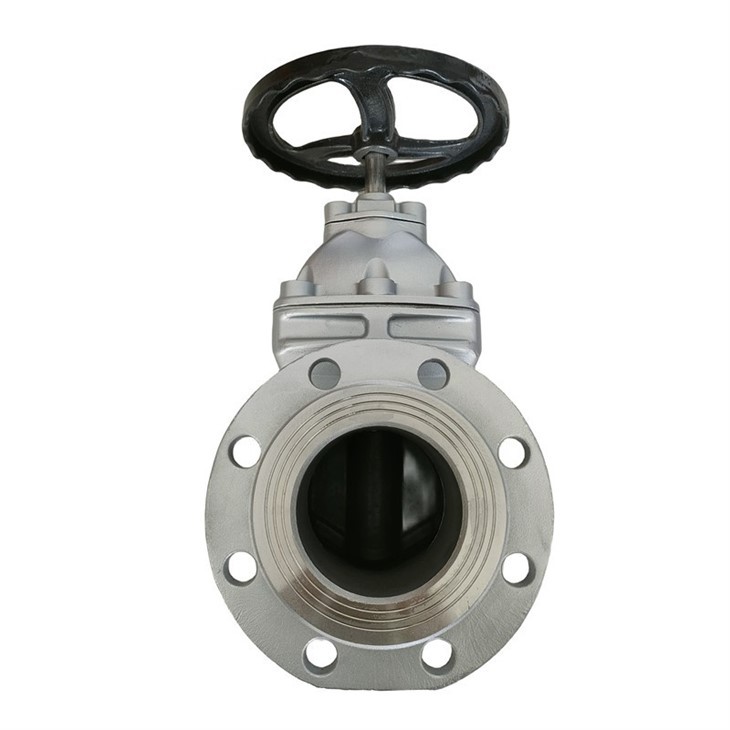
Ci sluice valve is a highly efficient valve used for controlling the flow of fluids through pipelines. It is a reliable and durable valve that can withstand high pressure and temperature. The valve is designed with advanced technology to ensure efficient performance and minimal maintenance.

Rubber gate valves are an excellent choice for industrial applications where durability, reliability, and cost-effectiveness are key considerations. These valves are designed to provide excellent flow control capabilities while also offering low maintenance requirements and long service life.

Ductile iron sluice valve is a highly durable and versatile valve that is commonly used in various types of industrial and commercial settings. This type of valve is known for its excellent resistance to corrosion, mechanical shock and wear and tear, making it a popular choice among engineers and contractors for a variety of applications.

Double flanged gate valves are widely used in various industries such as oil and gas, water treatment, and chemical processing industries. These valves are highly efficient in controlling the flow of liquids through pipelines. They are designed to withstand high pressure and extreme temperatures, making them ideal for a range of industrial applications.

Noise check valve refers to a valve that automatically opens and closes the valve disc based on the flow of the medium itself, used to prevent medium backflow. It is also known as a check valve, one-way valve, silencing check valve backflow valve, and backpressure valve.

Cast iron gate valves are essential components that are widely used in various industrial applications. They are highly durable and have excellent resistance to wear and tear, corrosion, and temperature changes. These valves are designed to control the flow of liquids and gases and are known for their reliable and leak-proof operation.

The structural diagram of butterfly check valves is very simple, and compared to other check valves, their structural length is also very short. Butterfly check valve, also known as butterfly check valve, is connected in a wafer style. The valve plate consists of two semicircular butterfly plates, which are connected by the valve stem and forcibly reset by springs.

Stainless Steel Wafer Butterfly Valve
The stainless-steel wafer butterfly valve is an essential component in various industrial applications. Made of high-quality stainless steel, it is highly durable and resistant to corrosion, making it suitable for use in harsh environments. This valve is designed to regulate and control the flow of fluids, gases, and other materials, ensuring that processes run smoothly and efficiently.
A wedge type gate valve is a type of valve used as a shut-off device in a pipeline. It is called a "wedge" valve because it uses a wedge-shaped gate as the closing element. The gate is typically made of metal and is designed to fit tightly between two parallel seats within the valve body. When the gate is fully open, it is retracted into the valve body, allowing unrestricted flow through the valve. To close the valve, the gate is pushed down between the seats, creating a tight seal and blocking the flow. Wedge type gate valves are commonly used in applications where a tight shut-off is required, such as in oil and gas pipelines, water treatment plants, power plants, and various industrial processes. They are known for their robust construction, high pressure capabilities, and ability to handle a wide range of fluids.
Features of Wedge Type Gate Valve
Compact Design: The wedge gate valve has a simple and compact structure, and its excellent rigidity ensures stable operation of the valve in high-pressure environments. The channel design is smooth and effectively reduces fluid resistance.
Excellent Rigidity: Wedge gate valves exhibit excellent rigidity, enabling stable operation in high-pressure and high-temperature environments, resistant to deformation and damage, ensuring sealing performance and operational safety.
Smooth Flow Passage: The internal passage design of the valve is streamlined, reducing fluid resistance and pressure loss, enhancing the flow efficiency of pipeline systems and reducing energy consumption.
Sealing Surface Materials: Wedge gate valves provide a variety of driving modes such as manual, pneumatic, electric and gear transmission to meet different occasions and needs. Whether it is manual operation on site, remote automatic control, or occasions that require precise adjustment, you can find a suitable driving method.
Multiple Structural Forms: Wedge gate valves have various structural forms, such as elastic wedge single gate and rigid wedge single gate. These different structural forms allow the valve to adapt to different working pressure and flow requirements. Whether it is high pressure and large flow or low pressure and small flow, you can find a suitable structural form to achieve optimal performance.
Types of Wedge Type Gate Valve


Rising stem single wedge gate valves
One end of the valve stem of the rising stem wedge type single gate valve has a trapezoidal transmission thread, and the valve stem and the gate are hung together through a T-shaped slot. A valve stem nut is fixed on the upper part of the valve cover, and a handwheel is installed outside the valve stem nut. When the handwheel is rotated counterclockwise, the valve stem drives the gate plate up, and the valve opens; when the handwheel is rotated clockwise, the valve stem descends, eventually wedges the gate plate, and the valve closes.
Non rising stem single wedge gate valves
There is a through hole in the middle of the wedge gate of the concealed stem wedge type single gate valve. The guide grooves on both sides of the non-sealing surface cooperate with the guide ribs on the valve body to form a guide device. The groove on the upper part of the gate plate is equipped with a valve stem nut with a trapezoidal thread, which forms a transmission pair with the trapezoidal thread on the lower end of the valve stem, and is operated by a handwheel mounted on the top of the valve stem.
Purge gate valve
The wedge type high-temperature purge gate valve is created based on the ordinary wedge-type single-gate gate valve. A purge device is added to the valve body and valve cover. High-pressure water or steam is injected through the purge device to prevent coking and granular particles. The pipelines and valves of the medium are cleaned and flushed to achieve the removal of impurities in the pipelines and valves, which has the advantages of convenience, time saving, etc., and effectively increases the service life of the system. It is suitable for use as an opening and closing device on pipelines containing water, steam, flue gas, oil, mist, powder, granular and other media. It is especially suitable for oil transportation and catalytic cracking units in the petrochemical industry to open, close and clean the pipeline.
Components of Wedge Type Gate Valve
Body
The body of a wedge type gate valve is the main part of the valve. It is the outer casing that contains all the other parts of the valve. The body is usually made of cast iron, bronze, or stainless steel. It is designed to withstand high pressures and temperatures and is usually bolted or flanged to the pipeline.
Seat
The seat is the part of the valve that provides a seal between the gate and the body of the valve. The seat is usually made of a resilient material such as rubber or Teflon. The seat is designed to provide a tight seal when the gate is in the closed position.
Valve stem
The valve stem is the rod that connects the gate to the actuator. The valve stem is usually made of stainless steel and is threaded at the bottom to connect to the gate. The top of the valve stem extends through the bonnet to connect to the actuator.
Bonnet
The bonnet is the cover that is placed on top of the body to enclose the valve stem and the packing gland. The bonnet is usually bolted to the body and can be removed to access the valve stem. The bonnet is also designed to withstand high pressures and temperatures.
Wedge gate
The wedge gate is the core component of the wedge gate valve. It is wedge-shaped and is designed to rise and fall vertically in the valve body to control the on-off flow of fluid. Gates are usually made of wear-resistant and corrosion-resistant materials to ensure stability and reliability in long-term use.
Actuator
The actuator is the mechanism that is used to raise or lower the gate. There are two types of actuators that are commonly used with gate valves: manual and automated. Manual actuators are usually hand-operated wheels or levers, while automated actuators are usually electric or hydraulic motors.
Elastic Wedge Gate Valve vs Rigid Wedge Gate Valve
Elastic Wedge
The characteristic of elastic wedge is its simple structure, reliable sealing, and difficulty in being wedged when the medium temperature changes. The machining accuracy requirements for the wedge angle are relatively low. For gate valves using elastic wedge plates, the closing torque should not be too large to prevent exceeding the elastic deformation range of the wedge. Therefore, the valve should be equipped with a limit mechanism to control the stroke of the wedge.
The elastic gate wedge structure is suitable for medium and small caliber gate valves of various pressures and temperatures. The medium should not contain too many solid particles to prevent them from accumulating in the annular groove of the wedge and affecting its elastic deformation ability.
Rigid Wedge
The rigid wedge is a single piece solid structure that cannot compensate for changes in valve seat alignment caused by pipeline loads or thermal fluctuations. The machining accuracy of the wedge half angle on both sides of the sealing surface is very high, making manufacturing and maintenance difficult. During operation, the sealing pairs are prone to wear and tear, and the wedge is easily wedged when the temperature changes.
Wedge type rigid gate valves are considered the most economical, generally suitable for low pressure and temperature conditions, and almost all small gate valves up to DN50 (NPS2) use wedge type rigid gate plates.
Application of Wedge Type Gate Valve
Oil and gas industry
Wedge type gate valves are used extensively in the oil and gas industry for their ability to handle high pressure and high temperature fluids. They are commonly used in pipelines, refineries, and oil rigs. Wedge type gate valves are preferred over other types of valves because of their superior sealing capabilities, which is essential for preventing leakage in hazardous and high-pressure environments.
Water treatment plants
Wedge type gate valves are used in water treatment plants to control the flow of water through pipelines. They are also used in sewage treatment plants to control the flow of wastewater. The gate valves used in water treatment plants are often made from materials that are resistant to corrosion and erosion.
Power generation
Wedge type gate valves are used in power generation facilities such as nuclear power plants, thermal power plants and hydroelectric power plants. They are used to control the flow of water, steam and other gases and liquids through the various systems that generate electricity.
Chemical industry
Wedge type gate valves are used in chemical processing plants for their ability to handle corrosive and abrasive chemicals. They provide a reliable and safe way to control the flow of these materials through pipelines, reactors and other processing equipment.
Check for leaks
Regularly inspect the valve body, gland, and stem for any signs of leaks. A leak can cause the valve to malfunction and lead to more significant problems. If you notice any leaks, tighten the valve packing or replace it if necessary.
Lubricate the valve
Gate valves have mating surfaces that need to be lubricated regularly. Apply lubricant to the stem and packing gland to ensure that the valve opens and closes smoothly. Avoid over-lubricating, as this can cause the valve to be overly tight or result in packing blowouts.
Clean components
Dirt and debris can build up on valve components over time, causing them to malfunction. Clean the valve body, gate, and stem regularly to remove any dirt or debris that accumulated. Use a non-abrasive cleaner that will not damage the valve.
Test the valve
A valve that fails to open or close properly can cause fluids or gases to leak, resulting in damage or injury. Regularly test the valve to ensure that it operates correctly. Open and close the valve several times and listen for any unusual sounds.
Ensure proper installation
Gates valves must be installed correctly for them to function correctly. Follow the instructions and ensure that the valve is installed in the correct orientation. Improper installation can cause the valve to fail or result in leaks.
Certifications


Our Factory
The company occupies a total area of more than 3,000 square meters. There are more than 50 employees, and all kinds of excellent large and medium-sized main production equipment as well as main inspection and testing equipment and instruments.


Ultimate FAQ Guide to Wedge Type Gate Valve
Q: What is a wedge type gate valve?
Q: What are the advantages of wedge gate valves?
Q: Are wedge gate valves suitable for high-pressure applications?
Q: Can wedge gate valves be used for both liquids and gases?
Q: What are the limitations of wedge gate valves?
Q: Are wedge gate valves suitable for throttling flow?
Q: What materials are wedge gate valves typically made of?
Q: What is the sealing mechanism of wedge gate valves?
Q: Can wedge gate valves provide bi-directional flow control?
Q: Are wedge gate valves suitable for abrasive fluids?
Q: How do you maintain a wedge gate valve?
Q: Can wedge gate valves be repaired if they develop leaks?
Q: What is the typical operating temperature range for wedge gate valves?
Q: What is the typical pressure rating for wedge gate valves?
Q: Are wedge gate valves suitable for underground applications?
Q: Can wedge gate valves be automated?
Q: What is the typical lifespan of a wedge gate valve?
Q: Can wedge gate valves be used in high-temperature applications?
Q: Are wedge gate valves suitable for applications with high-viscosity fluids?
Q: How do I select the right wedge gate valve for my application?
Hot Tags: wedge type gate valve, China wedge type gate valve manufacturers, suppliers, factory, gate valve logistics, gate valve innovation, gate valve wheel, gate valve temperature resistance, gate valve warranty, gate valve
Previous
No InformationYou Might Also Like


Send Inquiry